-2.png)
Cyber risk has earned executive attention. The next challenge is embedding risk-informed decision-making throughout the enterprise.
For much of the last decade, cybersecurity leaders have worked to change the perception of cyber risk, moving it from a technical issue managed primarily by security teams into a business risk requiring executive oversight. Now that they have, a new challenge has emerged: what happens when the board understands the risk, but the rest of the business does not?
Boards and senior executives are increasingly engaged in strategic conversations about cyber risk management (CRM). That's real progress. But progress also creates a new expectation: organizations must now determine how to translate executive awareness into enterprise action.
A New Stage of Cyber Risk Maturity
The FAIR Institute’s 2026 State of Cyber Risk Management Report From Compliance to Competitive Advantage: The Quantified Value of Cybersecurity reflects this continued evolution. The findings reinforce that cyber risk has moved further into the mainstream of enterprise decision-making, a significant milestone for an industry that has spent years working to close the communication gap between cybersecurity and the broader business.
Executive attention, while essential, is only the first stage of maturity. An organization does not become truly risk-informed simply because the board understands that cyber risk matters. It becomes risk-informed when that understanding extends throughout the enterprise, to the leaders making investment decisions, the teams building products, and the stakeholders managing the operational choices that shape risk every day.
That shift requires organizations to rethink where cyber risk decisions happen and who participates in them.
.png?width=6000&height=4162&name=2026StateOfCRM_ReportPic%20(5).png)
The Boardroom is Where Cyber Risk Gets Visibility.
The Business is Where Cyber Risk Gets Created.
The increased attention from boards and executive leadership represents meaningful progress, but it also highlights an important reality. The decisions that shape cyber risk are rarely made exclusively at the executive level.
- A product team deciding whether to accelerate a release
- A procurement team evaluating a new platform or architecture
- A business unit entering a new market
These decisions are rarely framed as “cyber risk decisions,” yet each one can materially influence the organization’s exposure.
The irony is that the organizations most focused on improving CRM may still be relying on a model where risk expertise remains concentrated in the security function. Visibility has moved upward, but decision-making has not always moved outward.
Quantification Creates a Common Understanding of Risk
The organizations that struggle with cyber risk maturity are rarely the ones that lack security expertise. The disconnect is that expertise often remains isolated from the decisions where risk is created.
Security teams may have a clear view of threats and vulnerabilities, but business stakeholders are often the ones balancing risk against competing priorities such as speed, cost, customer expectations, and growth.
The issue is not a lack of concern, it is the absence of a shared framework for understanding risk. Without that shared perspective, cyber risk remains something reported to the business rather than something the business actively manages.
Closing this gap requires more than better communication. Organizations need a consistent way to evaluate cyber risk that enables technical and business stakeholders to make decisions from the same understanding of potential impact.
From Reporting Risk to Enabling Decisions
Leaders are increasingly asking different questions.
Not simply: how secure are we?
But: What risk are we carrying? What outcomes could that risk create? Where should we focus our resources? And how do we make informed tradeoffs between reducing risk and achieving business objectives?
Quantification Creates a Common Understanding of Risk
Answering those questions requires organizations to move beyond simply describing risk and toward understanding risk in terms that support decisions.
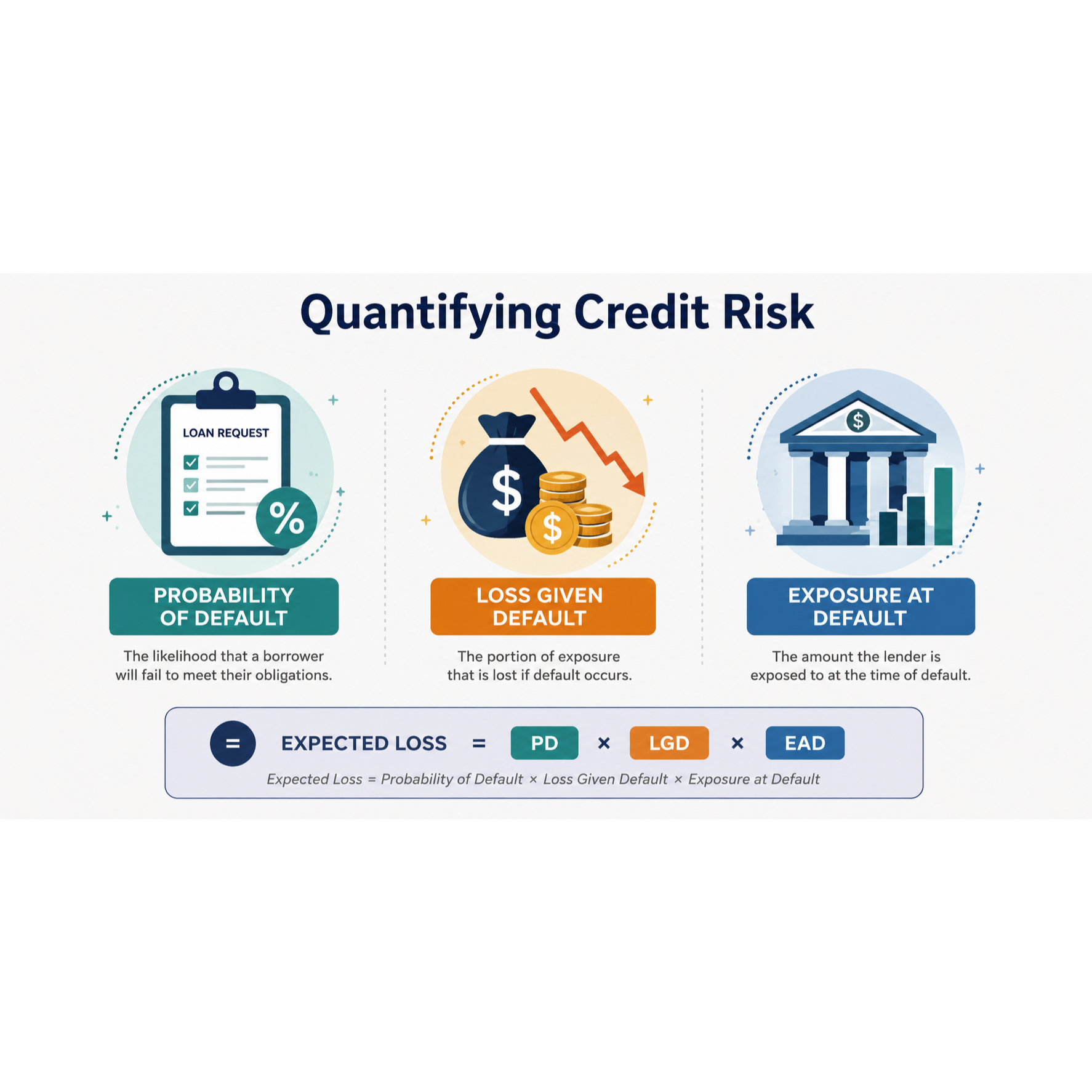
This is where quantitative risk analysis changes the game. By evaluating cyber risk in terms of potential loss exposure, organizations can create a clearer connection between technical realities and business outcomes.
A quantified approach allows security leaders to communicate risk in terms that resonate across the enterprise, while giving business stakeholders the context needed to make informed choices.
The goal is to ensure that decisions involving technology, operations, and growth are made with a clear understanding of the potential risks and tradeoffs.
A Common Language for Enterprise Risk Decisions
Moving from cyber risk awareness to CRM requires one way to understand risk, evaluate it, and act on it.
Different stakeholders often view risk through different lenses.
- Security teams naturally focus on threats, vulnerabilities, controls, and technical exposure.
- Business leaders focus on strategic objectives, operational priorities, customer commitments, and financial outcomes.
- Executives focus on enterprise resilience and long-term organizational performance.
These perspectives are not competing, they are complementary. Organizations benefit from a common framework that connects them, enabling risk to be evaluated and discussed in a consistent, business–related way.
This is why cyber risk quantification (CRQ) has become an important evolution in CRM. Organizations need more than a list of risks or a collection of severity ratings. They need a way to understand potential impact, compare priorities, evaluate tradeoffs, and make decisions based on measurable risk exposure.
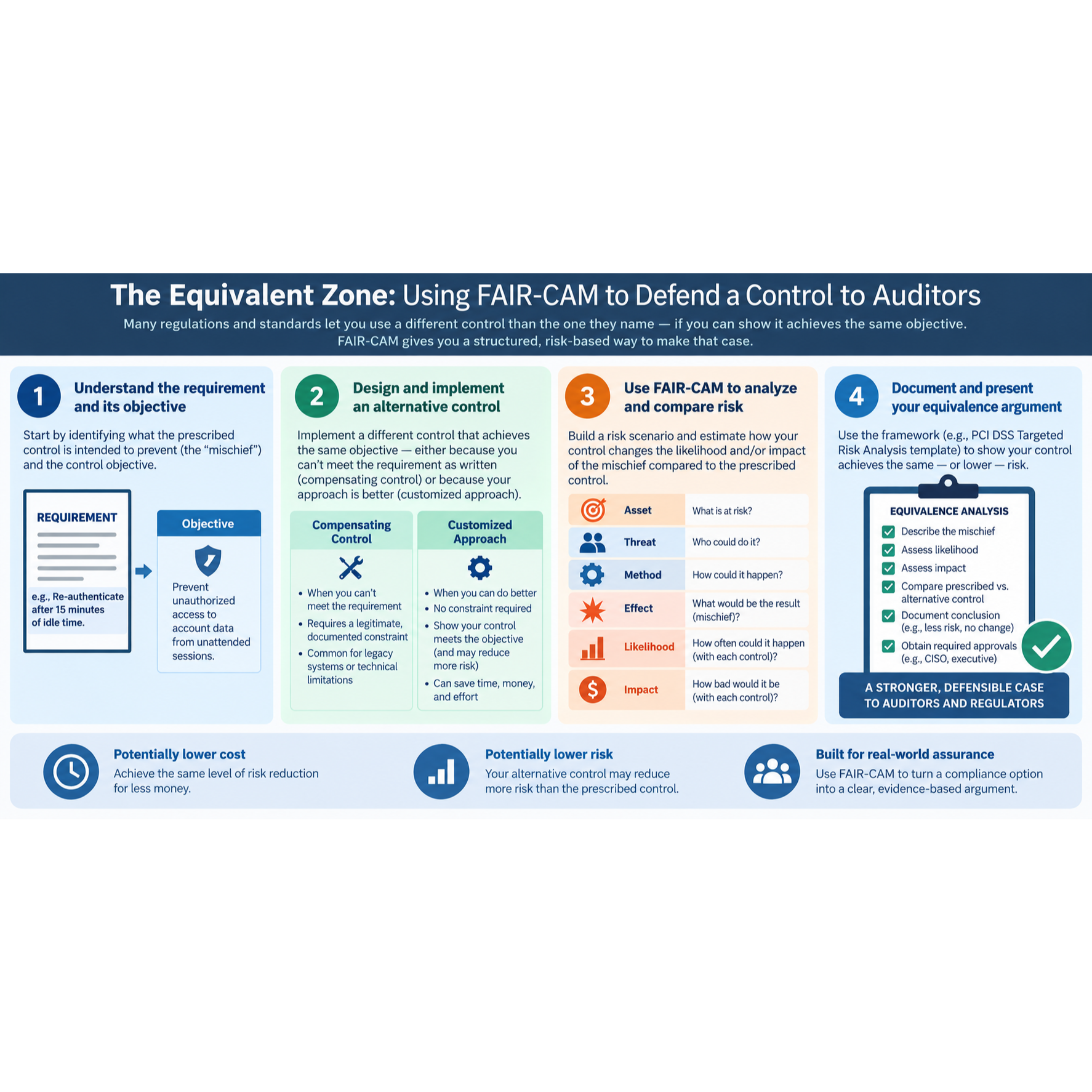
Frameworks such as FAIR® provide a structured methodology for analyzing cyber risk in terms of probable frequency and financial impact. By translating technical findings into business-relevant outcomes, they enable security, business, and executive stakeholders to make decisions using a common understanding of risk.
When organizations adopt this approach, cybersecurity becomes more than a technical function. It becomes a strategic partner that helps the business prioritize investments, allocate resources, and make informed decisions based on measurable risk.
The Next Era of Cyber Risk Management
The future of CRM will not be defined by whether organizations can generate better risk reports. It will be defined by whether those insights change the decisions organizations make.
The organizations that succeed will be those that move beyond treating cyber risk as information delivered to the business and instead make it part of how the business operates.
The board understands risk. The next step is enabling the business to use that understanding to make better decisions.
To explore deeper insights and key findings from the FAIR Institute’s 2026 State of Cyber Risk Management Report From Compliance to Competitive Advantage: The Quantified Value of Cybersecurity, download the full report.
.jpg)